

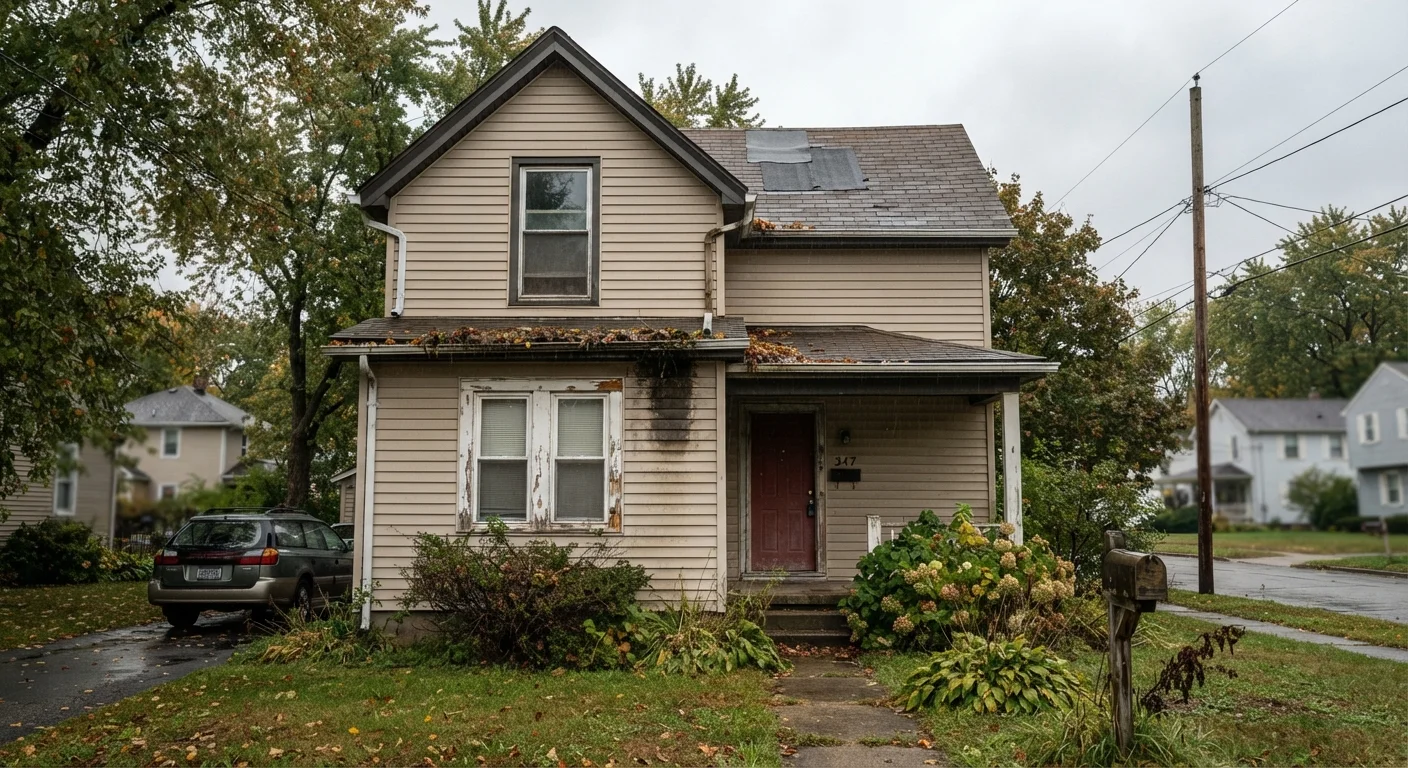
Why small problems rarely stay small
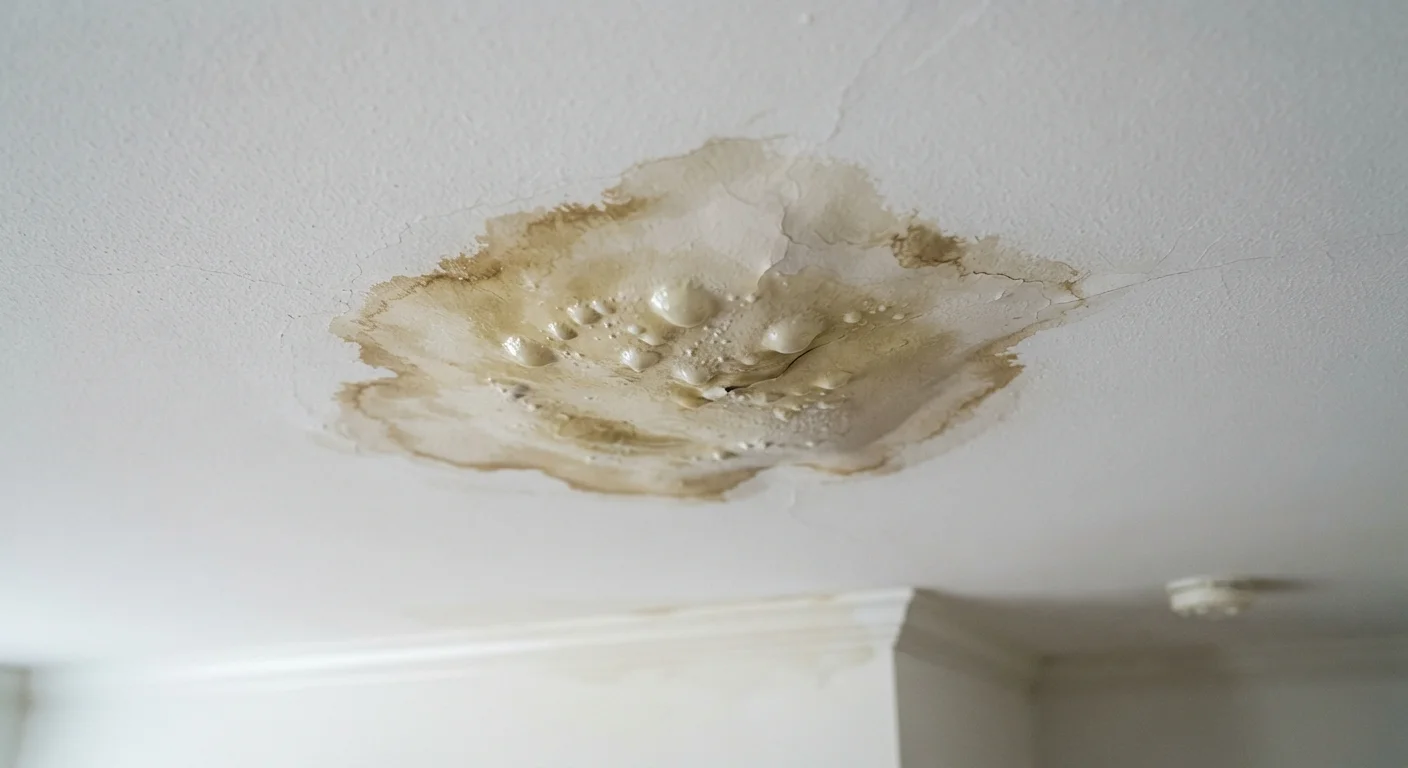
Most home repair costs do not grow at a steady rate. They grow in jumps. A $15 tube of caulk seals a gap around a window frame. Leave that same gap through two wet seasons and moisture gets into the wall cavity, damages the framing, and invites mold. The repair bill at that point can be several thousand dollars, and that estimate does not include remediation if mold has spread.
Water is the most common driver of this pattern. A slow drip under a sink does little damage the first week. Over months it saturates the cabinet floor, reaches the subfloor, and can compromise floor joists. The same logic applies to roof flashing gaps, cracked grout in a shower, and improperly sealed exterior doors.
Structural and mechanical systems compound differently. A hairline crack in a foundation wall can stay stable for years, but without monitoring it may widen under freeze-thaw cycles. An HVAC system running with a dirty filter works harder, consumes more energy, and wears components faster, shortening the equipment's lifespan.
The real comparison: routine cost vs. emergency cost
Routine maintenance tasks are predictable and budgetable. Cleaning gutters twice a year, resealing a driveway, servicing a furnace before winter, and checking roof flashing after storms are all tasks with known, modest costs. Emergency repairs, by contrast, arrive without warning and often require immediate contractor access, which increases labor rates.
A general guideline that appears across consumer finance and home inspection resources suggests setting aside 1% to 2% of a home's value annually for maintenance. On a $300,000 home, that is $3,000 to $6,000 per year. A single emergency repair, such as a burst pipe in winter or a failed water heater, can exhaust that entire budget in one event. This is general context, not personalized financial advice; readers should consult a financial adviser or licensed home inspector for guidance tailored to their property and situation.
Track repairs with a simple home log
A basic document listing the date, description, and cost of each repair or maintenance task creates a record that benefits insurance claims, resale disclosures, and annual budgeting. A spreadsheet or even a notes app on your phone works. The habit of recording small tasks prevents them from being forgotten and helps identify recurring problems in the same area of the home.
The financial comparison shifts further when insurance is considered. Many insurers exclude damage that arose from neglected maintenance rather than a sudden event. Readers should review their policy documents carefully and speak with a licensed agent to understand what their coverage does and does not include.
How deferred maintenance affects property value
Buyers and their inspectors document deferred maintenance systematically. A pattern of small neglected items, peeling exterior paint, an aging water heater, a soft spot in a bathroom floor, signals to buyers that less visible systems may also be neglected. This perception affects offers and negotiation leverage.
Appraisers factor visible condition into valuations. A home with clear deferred maintenance may appraise below a comparable home in good repair, which can affect a buyer's financing and ultimately the sale price. Sellers who address maintenance before listing tend to face fewer price adjustments during the inspection-and-negotiation phase.
For homeowners who plan to age in place, consistent upkeep also reduces the risk of safety hazards developing quietly over time. That connection between home condition and living arrangements is covered in more detail in this overview of aging in place vs. assisted living.
Building a maintenance schedule that works
A written schedule is the practical tool that keeps deferred maintenance from accumulating. It does not need to be elaborate. A simple list organized by season, with approximate costs noted next to each task, gives homeowners a clear picture of what is coming and when money needs to be available.
Spring is a natural time to inspect roofing, gutters, exterior caulking, and foundation drainage after winter. Fall is the right window for HVAC service, weatherstripping checks, and clearing gutters before leaf season ends. Monthly checks of smoke and carbon monoxide detectors, water heater condition, and under-sink plumbing take minutes and catch problems before they grow.
Homeowners who want a thorough starting point can hire a licensed home inspector for a maintenance review, which is separate from a purchase inspection. The report gives a prioritized list of items to address and a rough timeline for each. That investment in a single inspection often surfaces deferred items the homeowner did not know existed.
Consistent upkeep also connects to a broader principle about the cost of prevention versus correction, one that appears in other areas of household planning as well, such as using preventive care benefits in health insurance.
Frequently Asked Questions
A common general guideline is to set aside 1% to 2% of the home's purchase price per year for maintenance and repairs. Older homes and those in harsh climates often require amounts toward the higher end. This is general education, not personalized financial advice; a licensed home inspector or financial adviser can help you assess your specific situation.
Roof damage, plumbing leaks, foundation cracks, and HVAC problems tend to escalate quickly. Water-related issues are especially prone to compounding because moisture spreads to adjacent materials, creating mold and structural damage over time.
It can. Many insurers may deny claims for damage that resulted from a known maintenance issue the homeowner did not address. Policy terms vary widely, so readers should review their actual policy documents and speak with a licensed insurance agent for guidance specific to their coverage.
Yes. Buyers and their inspectors look for patterns of neglected upkeep. Appraisers may also factor visible deferred maintenance into their valuations. Addressing repairs before listing typically reduces the chance of price reductions during negotiation.
Timing a repair can make sense in some situations, such as waiting for a dry season to address an exterior issue. The risk is in forgetting or continuing to delay. Documenting the issue and setting a firm date helps prevent a deliberate delay from turning into indefinite postponement.
The content provided on our blog site traverses numerous categories, offering readers valuable and practical information. Readers can use the editorial team’s research and data to gain more insights into their topics of interest. However, they are requested not to treat the articles as conclusive. The website team cannot be held responsible for differences in data or inaccuracies found across other platforms. Please also note that the site might also miss out on various schemes and offers available that the readers may find more beneficial than the ones we cover.