

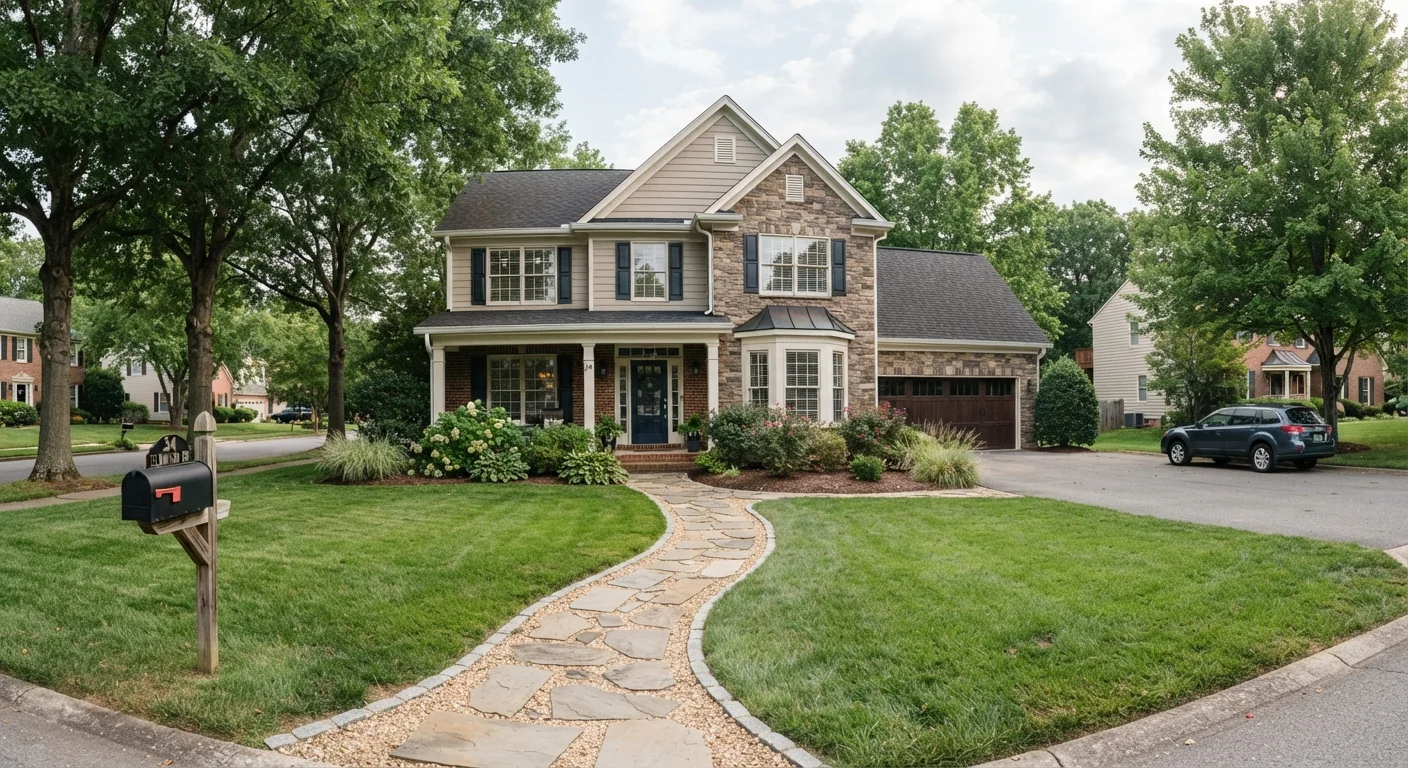
Why the first two years are the most expensive surprise
Buying a home transfers a landlord's maintenance responsibility entirely to you, often without a clear handoff of what that responsibility costs annually. Most first-time buyers plan for the mortgage, property taxes, and insurance. What they do not plan for are the recurring service costs, the aging equipment, and the one-time assessments that surface in the first 24 months.
The services new homeowners need to arrange in year one are a useful starting point, but costs go beyond setting up accounts. They involve understanding the age and condition of every system in the house and building a budget that accounts for their natural life cycles.
The mistakes below are not rare oversights. They appear consistently because the home purchase process does not require buyers to price out routine maintenance, and sellers are rarely motivated to share what the home actually costs to run.
The most common overlooked costs and how to handle them
Each mistake below follows a pattern: the cost was predictable, the information was available before closing, and a small amount of advance planning would have avoided the surprise.
Treating HOA dues as the only HOA cost.
Why it happens: Buyers focus on the monthly dues figure during their purchase search and rarely read the full HOA documents before closing.
Skipping annual gutter cleaning because the gutters look fine from the ground.
Why it happens: Gutters are out of sight, and many new owners assume the home was left in good condition after inspection.
Ignoring the water heater until it fails.
Why it happens: Water heaters work quietly until they do not, so most owners never think about them until there is cold water or a leak.
Underestimating utility costs after moving from an apartment.
Why it happens: A larger or older home with less insulation, higher ceilings, or an aging HVAC system uses more energy than a compact rental unit.
Assuming homeowners insurance premiums stay flat year to year.
Why it happens: Most buyers lock in a quote at closing and do not revisit it until the mortgage servicer notifies them of an escrow shortage.
Putting off small repairs because they seem cosmetic.
Why it happens: After a down payment and closing costs, owners are often cash-constrained and prioritize what seems urgent.
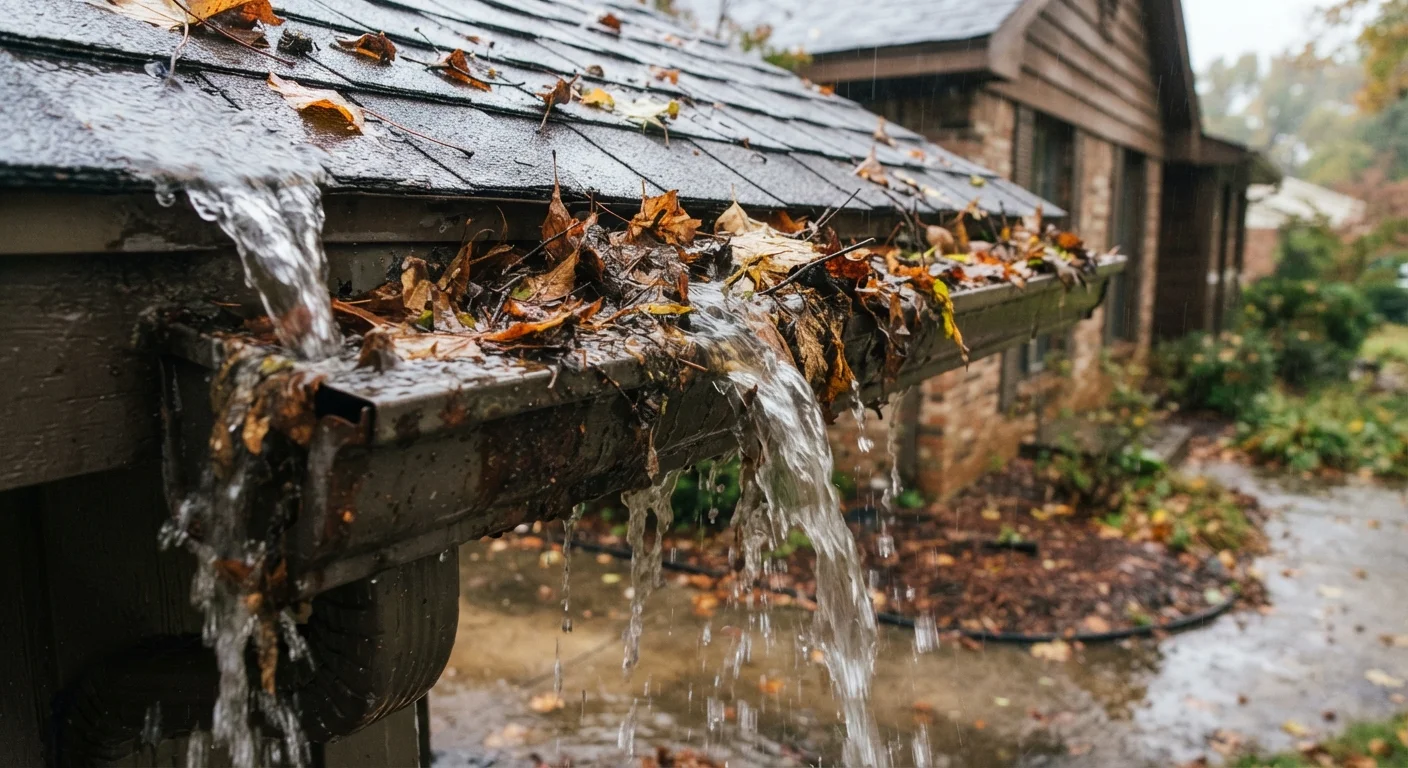
Gutter maintenance is a good example of how quickly a skipped service call compounds. When gutters overflow, water can pool against the foundation, saturate fascia boards, or work under the roof deck. That path leads to wood rot, mold, or foundation settling. Scheduling maintenance by season is one of the more practical ways to stay ahead of these cascading costs.
HOA special assessments can arrive quickly
A special assessment is a one-time charge levied by a homeowner association to cover a capital expense the reserve fund cannot absorb. These charges can run from a few hundred to several thousand dollars per unit. They are legal and often non-negotiable. Review the reserve fund balance and the most recent reserve study before you close on any property governed by an HOA.
Lawn care contracts carry their own trap. Auto-renewal clauses and narrow cancellation windows can lock a homeowner into a second year of service before they realize the first year was unsatisfactory. Reading lawn care agreements closely before signing avoids that outcome.
The content provided on our blog site traverses numerous categories, offering readers valuable and practical information. Readers can use the editorial team’s research and data to gain more insights into their topics of interest. However, they are requested not to treat the articles as conclusive. The website team cannot be held responsible for differences in data or inaccuracies found across other platforms. Please also note that the site might also miss out on various schemes and offers available that the readers may find more beneficial than the ones we cover.