


Why enrollment errors are hard to fix
Health insurance enrollment windows are short, and the decisions made during them generally lock in coverage for a full plan year. Outside of a qualifying life event, most people cannot change plans or add coverage until the next open enrollment period. That makes mistakes more consequential than in other consumer decisions where corrections are straightforward.
The errors that cause the most financial harm are rarely dramatic oversights. They tend to be small misjudgments: focusing on the wrong number, assuming last year's plan still fits, or not reading the fine print on a formulary. Understanding where these gaps commonly appear is the first step toward avoiding them. If you are new to purchasing your own coverage, the Health Insurance From Scratch starter guide explains the foundational terms and decisions involved.
This article is for general informational purposes only and is not a substitute for advice from a licensed insurance professional or healthcare provider. Coverage terms, costs, and eligibility rules vary by plan, insurer, and state.
The most common enrollment mistakes
The mistakes below appear across plan types, income levels, and age groups. Each one is avoidable with a bit of advance preparation.
Missing the open enrollment deadline and assuming coverage will continue unchanged.
Why it happens: Many people treat enrollment as automatic renewal and do not realize that plan options, premiums, and formularies can change year to year.
Selecting a plan based on the monthly premium without examining deductibles and out-of-pocket maximums.
Why it happens: The premium is the most visible number, so it draws attention while cost-sharing details stay buried in plan documents.
Not confirming that current doctors and hospitals are in the plan's network before enrolling.
Why it happens: Provider networks change annually, and people assume that a plan they have used before still covers the same providers.
Skipping or underestimating prescription drug coverage when comparing plans.
Why it happens: People who are currently healthy may not prioritize drug coverage, and the plan's drug formulary (the list of covered medications) is rarely front-page information.
Missing a Special Enrollment Period after a qualifying life event.
Why it happens: People are often unaware that events such as marriage, divorce, job loss, or the birth of a child open a time-limited window to enroll or change coverage outside of open enrollment.
Enrolling a dependent in the wrong coverage tier or forgetting to add them altogether.
Why it happens: Enrollment forms can be lengthy, and dependent coverage often involves separate steps that are easy to skip when rushing to meet a deadline.
Checking your work before the deadline
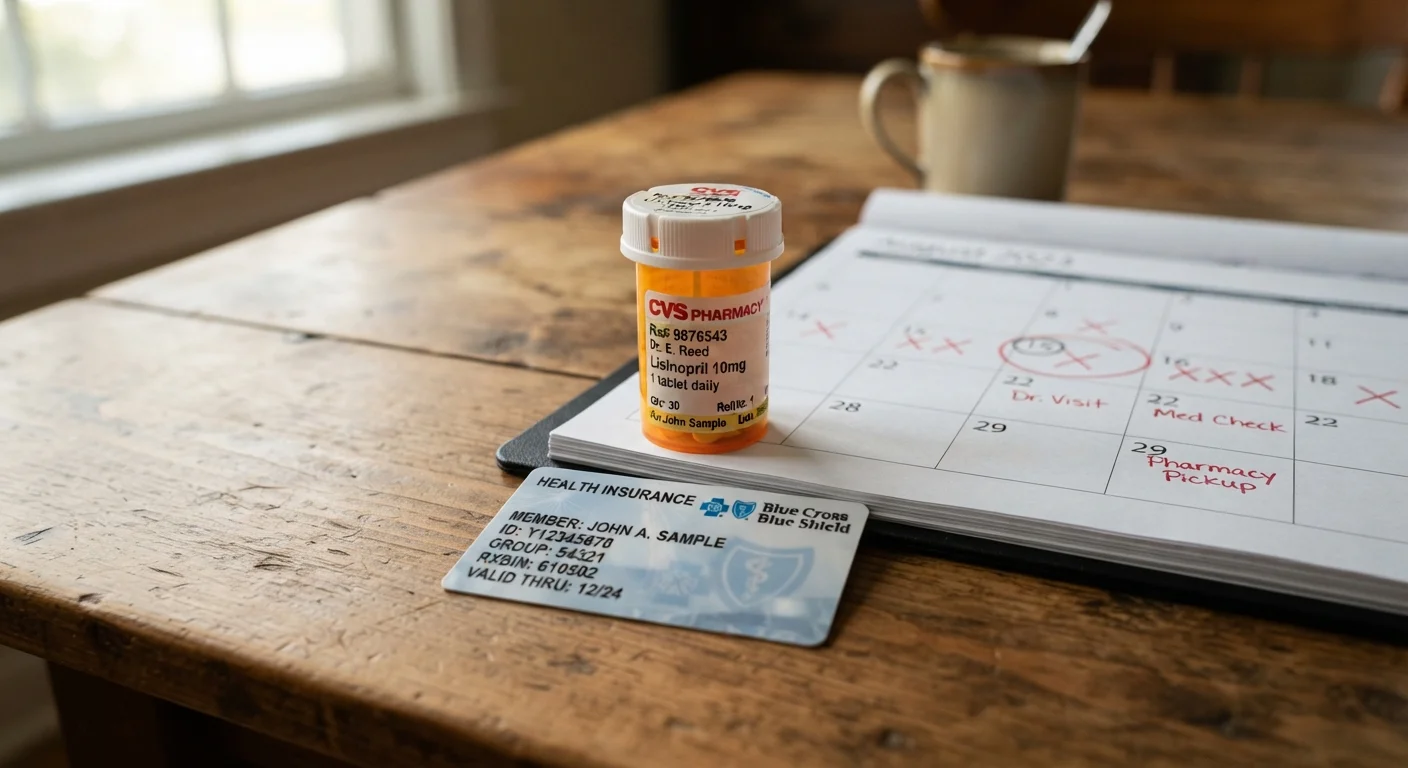
After submitting an enrollment application, treat the confirmation summary as a document worth reviewing in detail. Verify dependent names, coverage tiers, and the plan effective date. If something is wrong, contact the insurer or marketplace immediately: corrections made before the coverage start date are far simpler than those attempted after.
For a step-by-step walkthrough of how to compare plans during the enrollment window, see Choosing a Health Plan During Open Enrollment. If you want to examine some of the wider misconceptions that lead people to undervalue their coverage, Common Health Insurance Myths That Cost People Money covers the most persistent ones.
Gaps in coverage are difficult to reverse mid-year
Once your enrollment window closes, you generally cannot add coverage, change plans, or correct a missed dependent enrollment until the next open enrollment period, unless you experience a qualifying life event. If you are uncertain about any aspect of a plan before enrolling, contact the insurer directly or speak with a licensed insurance navigator or broker. Do not rely on assumptions about what a plan covers.
The content provided on our blog site traverses numerous categories, offering readers valuable and practical information. Readers can use the editorial team’s research and data to gain more insights into their topics of interest. However, they are requested not to treat the articles as conclusive. The website team cannot be held responsible for differences in data or inaccuracies found across other platforms. Please also note that the site might also miss out on various schemes and offers available that the readers may find more beneficial than the ones we cover.