

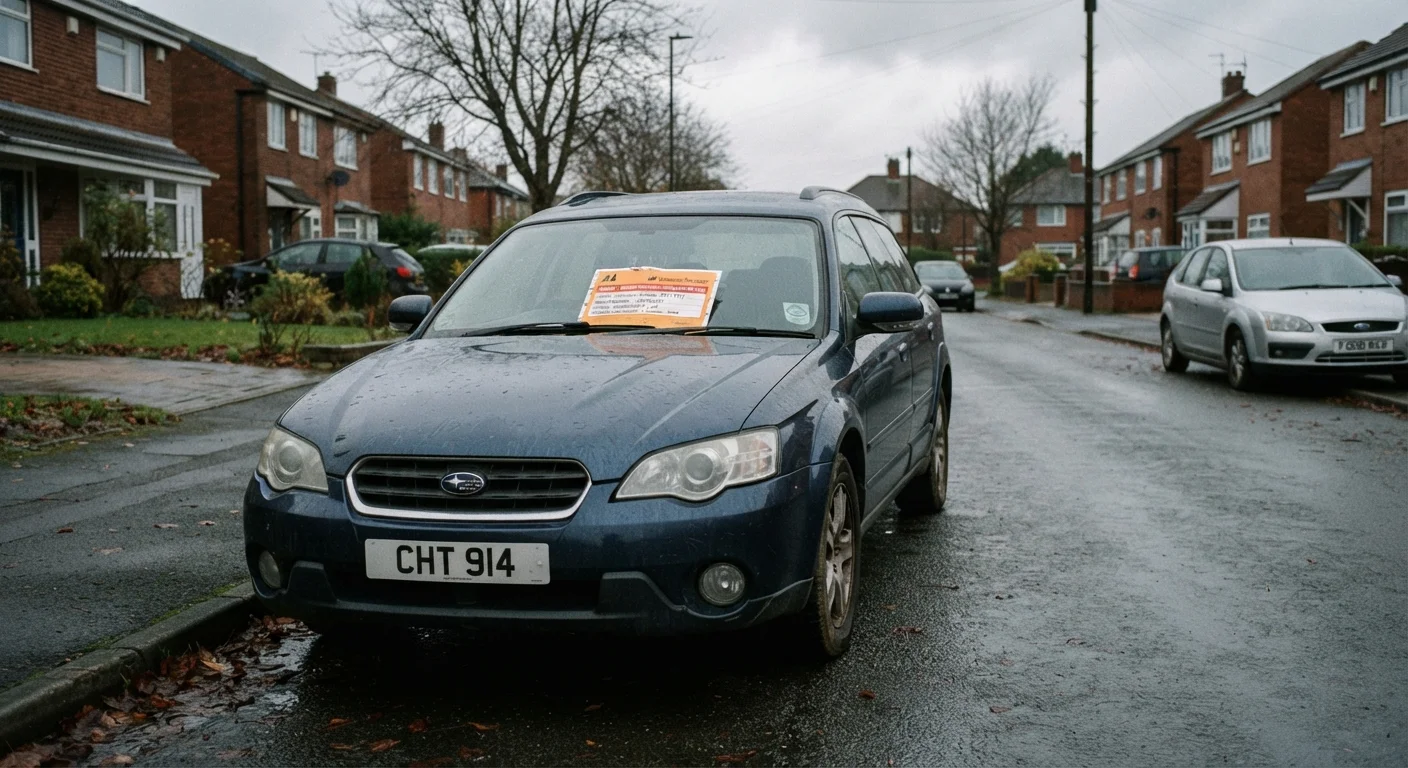
What a lapse in auto insurance actually means
A lapse happens when your auto insurance policy ends and there is no active replacement policy starting the same day. It can result from a missed payment, a canceled policy, or simply forgetting to renew. From the insurer's perspective, even a single day without coverage counts as a gap in your history.
State law in most of the U.S. requires drivers to carry at least a minimum level of liability insurance on any registered vehicle. When that coverage disappears, you are not just at risk financially. You may also be in violation of your state's motor vehicle laws, which can trigger penalties independently of any accident.
Insurers treat a lapse as a signal that a driver may be a higher risk to cover in the future. That logic drives up the cost of the next policy you buy. Rate increases after a lapse follow the same general principle as other premium hikes: the insurer is pricing what it sees as a change in your risk profile.
Common mistakes that lead to a lapse and raise recovery costs
Assuming the insurer will warn you before your policy lapses.
Why it happens: Many drivers expect a phone call or clear final notice before coverage ends, but insurers are only required to send written notice within the timeframes set by state law, and those notices can get lost in email or physical mail.
Letting coverage lapse because you stopped driving or parked the car.
Why it happens: If a car is not being used, canceling the policy can seem like a logical way to save money. But most states require continuous coverage on any registered vehicle, even one sitting in a garage.
Waiting too long to get new coverage after a lapse begins.
Why it happens: Drivers sometimes delay because they expect to reinstate the old policy or are waiting for a paycheck. Every day without coverage extends the gap that insurers will see when you apply.
Not disclosing the lapse when applying for a new policy.
Why it happens: Drivers may think omitting the gap will help them get a lower rate. In practice, insurers check your coverage history through industry databases, so the gap is usually visible regardless.
Driving during a lapse because the registration still shows valid.
Why it happens: A valid registration can look like proof that everything is in order, but registration and insurance are separate. Law enforcement checks insurance status directly, not just registration.

Senior drivers face the same lapse risks as everyone else, but may also be managing policy changes tied to retirement, reduced driving, or adding a younger driver to a household. Auto insurance considerations for older drivers covers some of those specific rating factors worth reviewing.
How to recover after a lapse
The first step is getting coverage active again as quickly as possible. Contact your current insurer to ask whether reinstatement is an option. Some insurers allow reinstatement within a short window after a missed payment, sometimes with a fee, but this is not guaranteed and varies by company and state.
If reinstatement is not available, begin shopping for a new policy immediately. When you apply, you will likely be asked about prior coverage. Answering accurately matters, both legally and practically, since insurers verify coverage history. A shorter gap means less of a rate penalty, so speed counts.
Once you have a new policy, look at what discounts you may qualify for to offset the higher base rate. Common premium discount programs can help reduce what you pay month to month while your history recovers. Paying on time consistently after a lapse is one of the more reliable ways to demonstrate lower risk to future insurers.
Driving uninsured has lasting consequences
If you cause an accident while uninsured, you may be personally responsible for the other driver's medical bills, vehicle repairs, and legal costs. State penalties for driving without insurance can include fines, license suspension, and vehicle impoundment. These outcomes are separate from any rate increases you will face when you eventually get coverage again.
A lapse stays on your insurance history
Most insurers look back three to five years when calculating your premium. A lapse recorded in that window can affect every quote you receive during that period. Getting coverage quickly limits how long that gap appears as a recent event. This article is general information and not personalized insurance advice; policy terms and state rules vary, so consult a licensed agent about your specific situation.
This article is for general informational purposes only and does not constitute personalized insurance or legal advice. Coverage terms, state regulations, and insurer practices vary. Consult a licensed insurance agent or your state's insurance commissioner for guidance specific to your situation.
The content provided on our blog site traverses numerous categories, offering readers valuable and practical information. Readers can use the editorial team’s research and data to gain more insights into their topics of interest. However, they are requested not to treat the articles as conclusive. The website team cannot be held responsible for differences in data or inaccuracies found across other platforms. Please also note that the site might also miss out on various schemes and offers available that the readers may find more beneficial than the ones we cover.