

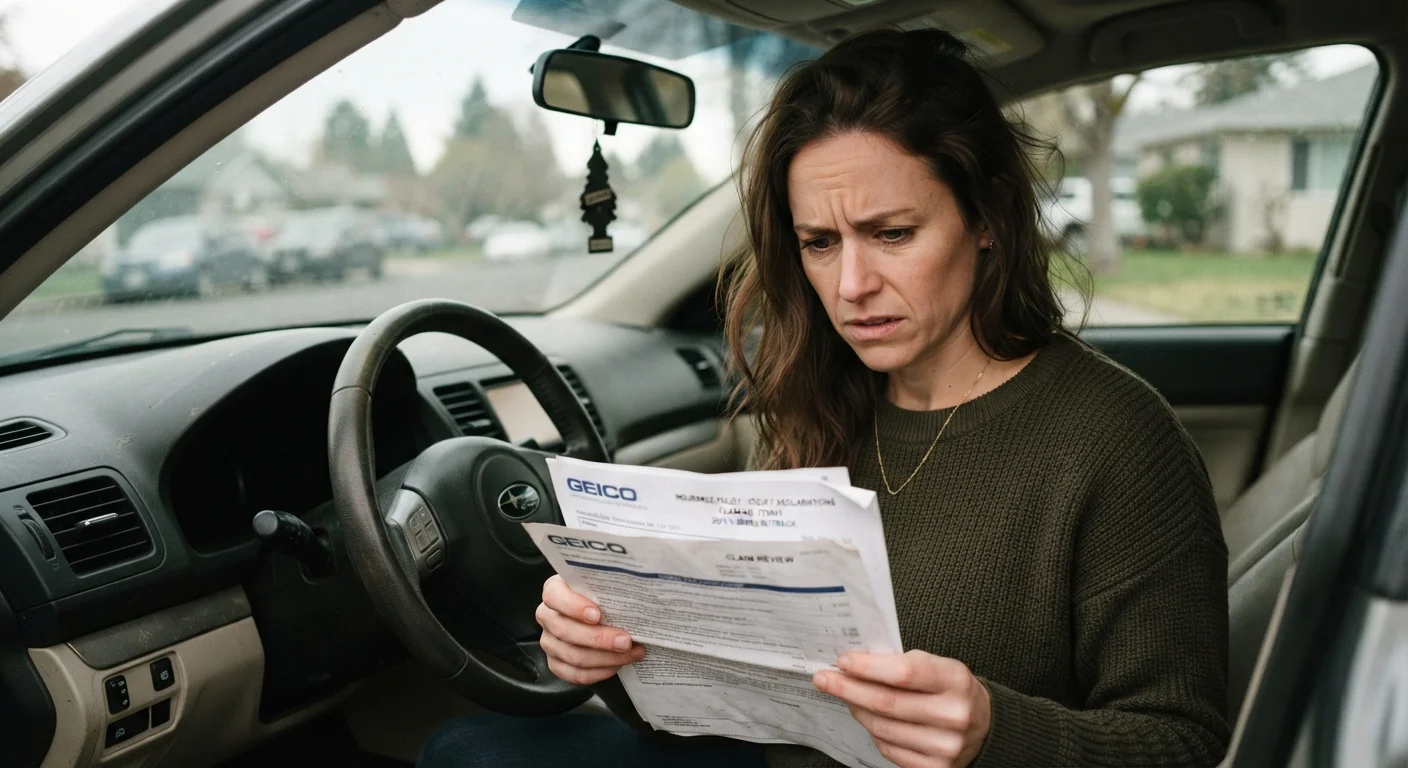
Why premiums rise even when nothing went wrong
A rate increase at renewal catches many drivers off guard, especially when they have not filed a claim or received a citation. The reality is that auto insurance pricing draws on more than your personal driving record. Insurers factor in local claims trends, the cost of vehicle parts and labor, medical expense inflation, and state-level regulatory filings, all of which can shift between policy terms.
The variables that shape your car insurance rate include things like your ZIP code, the age and value of your vehicle, and even your credit-based insurance score in most states. A move to a zip code with higher claim frequency, a birthday that shifts you into a new age bracket, or a drop in your credit score can each trigger an increase with no accident involved.
Older drivers face some additional considerations. Senior drivers often encounter unique rating factors that are worth understanding before the next renewal arrives.
Common mistakes that make the problem worse
A rate hike itself is not always avoidable. The mistakes that follow are.
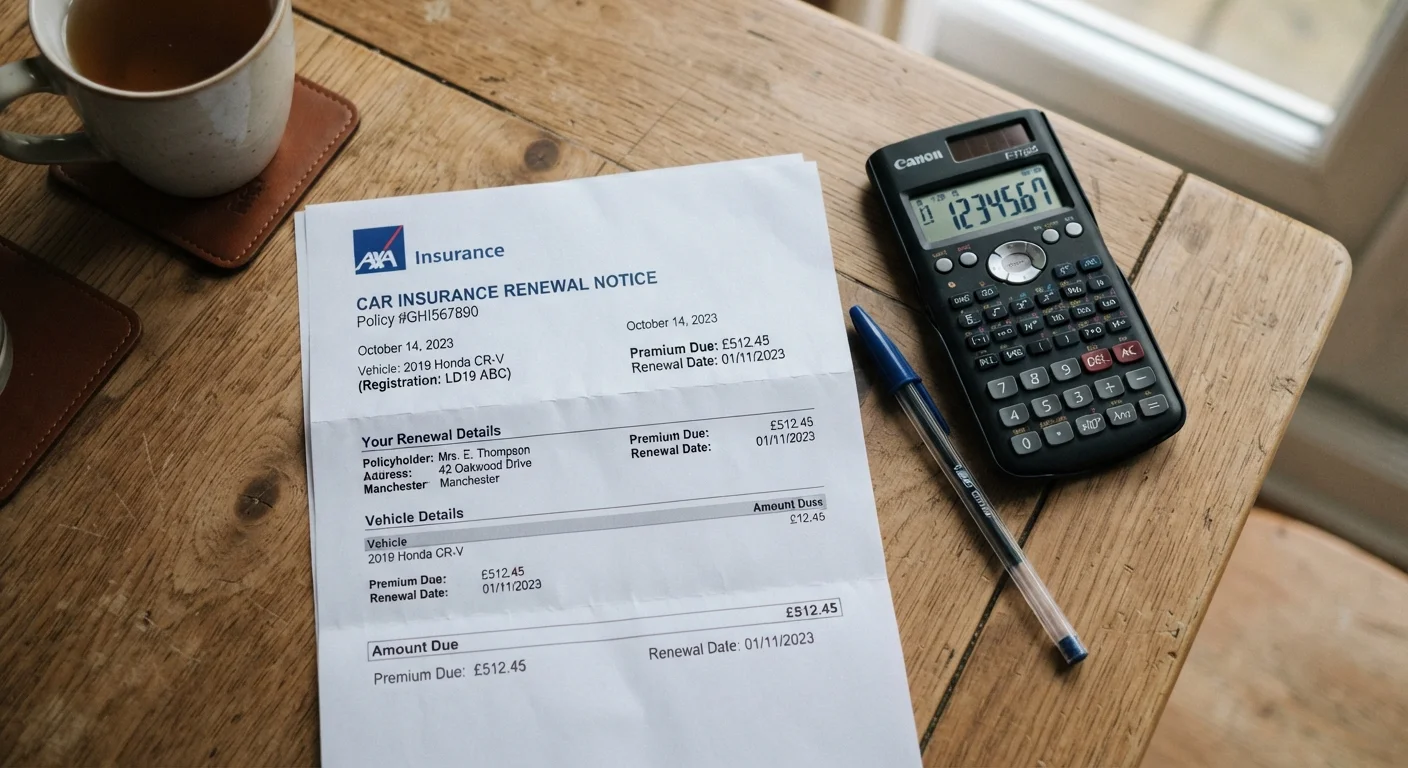
Accepting the renewal rate without reading the renewal notice.
Why it happens: Most drivers treat auto insurance as a set-it-and-forget-it expense, so the renewal bill goes straight to autopay without a second look.
Assuming the increase is always personal when it may be market-wide.
Why it happens: Drivers often assume a higher bill means they did something wrong, when insurers sometimes raise rates across entire regions due to rising repair costs, weather claims, or broader loss trends.
Ignoring discounts that may now apply or no longer apply.
Why it happens: Discount eligibility changes with life circumstances, such as a teen leaving the household, a change in commute distance, or completing a defensive driving course, but insurers do not always flag these proactively.
Raising the deductible without understanding the financial trade-off.
Why it happens: A higher deductible lowers the monthly or semi-annual premium, which feels like an easy fix, but drivers sometimes do it without calculating whether they could actually cover that deductible out of pocket after a claim.
Letting coverage lapse to avoid a higher premium.
Why it happens: When a bill feels unaffordable, some drivers drop coverage temporarily, not realizing that a gap in insurance history is itself a rating factor that can push future premiums higher.
72%
Drivers who did not shop around at last renewal
According to a 2023 J.D. Power U.S. Auto Insurance Study, most policyholders renew without comparing quotes from other insurers.
~20%
Average U.S. auto insurance rate increase in 2023
The Insurance Information Institute reported that private passenger auto insurance rates rose sharply in 2023, driven by claims inflation and repair cost increases.
Steps worth taking before the next renewal
Once you understand what drove the increase, you have a few practical options. Usage-based insurance programs, which track driving behavior through an app or device, can lower costs for low-mileage or cautious drivers. How usage-based insurance compares to traditional policies is worth reviewing if you drive infrequently or primarily in lower-risk conditions.
Getting quotes from other insurers at renewal is a reasonable step, though rate comparisons require you to hold the same coverage levels constant to be meaningful. A lower premium with reduced liability limits is not a straightforward saving.
Whatever you decide, do not let the policy expire without a replacement in place. Even a brief lapse in coverage can affect your rate for years.
This article is for general informational purposes only and does not constitute personalized insurance, financial, or legal advice. Coverage terms, eligibility, and rates vary by provider and state. Consult a licensed insurance agent or adviser for guidance specific to your situation.
Reducing coverage to cut costs has limits
Dropping comprehensive or collision coverage may reduce your premium, but it also removes protection for vehicle damage you would have to pay yourself. If your vehicle still carries a loan or lease, your lender likely requires those coverages regardless of cost. Check your loan or lease agreement before making any coverage changes.
The content provided on our blog site traverses numerous categories, offering readers valuable and practical information. Readers can use the editorial team’s research and data to gain more insights into their topics of interest. However, they are requested not to treat the articles as conclusive. The website team cannot be held responsible for differences in data or inaccuracies found across other platforms. Please also note that the site might also miss out on various schemes and offers available that the readers may find more beneficial than the ones we cover.